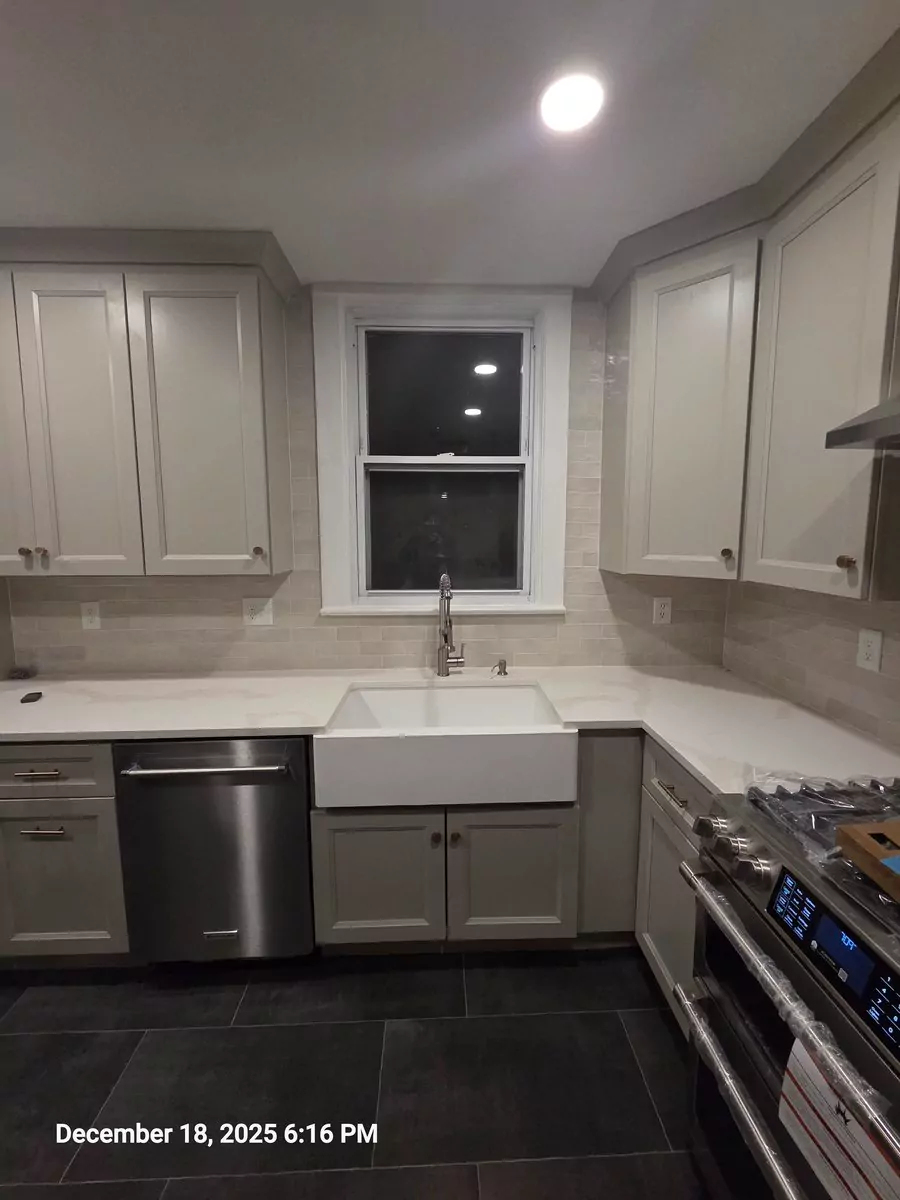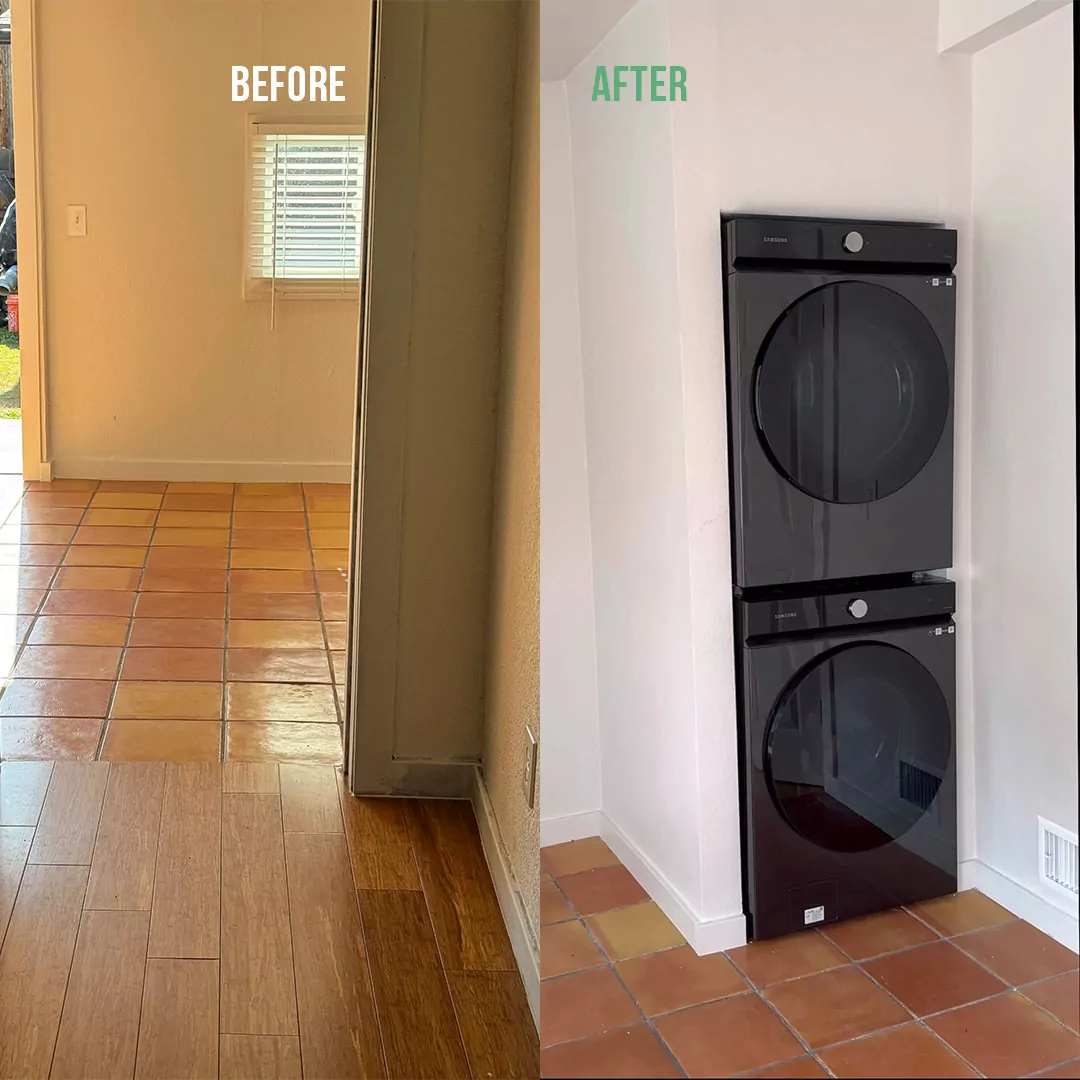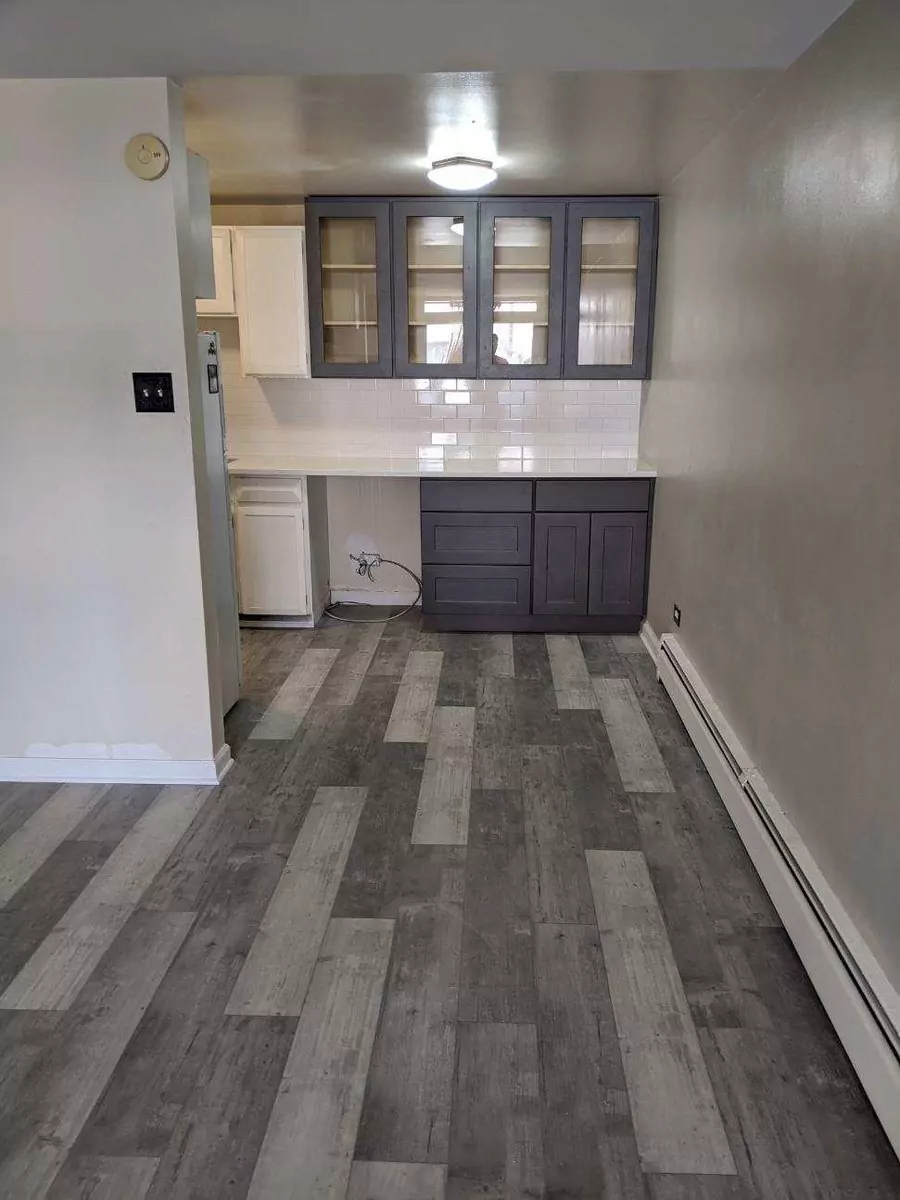


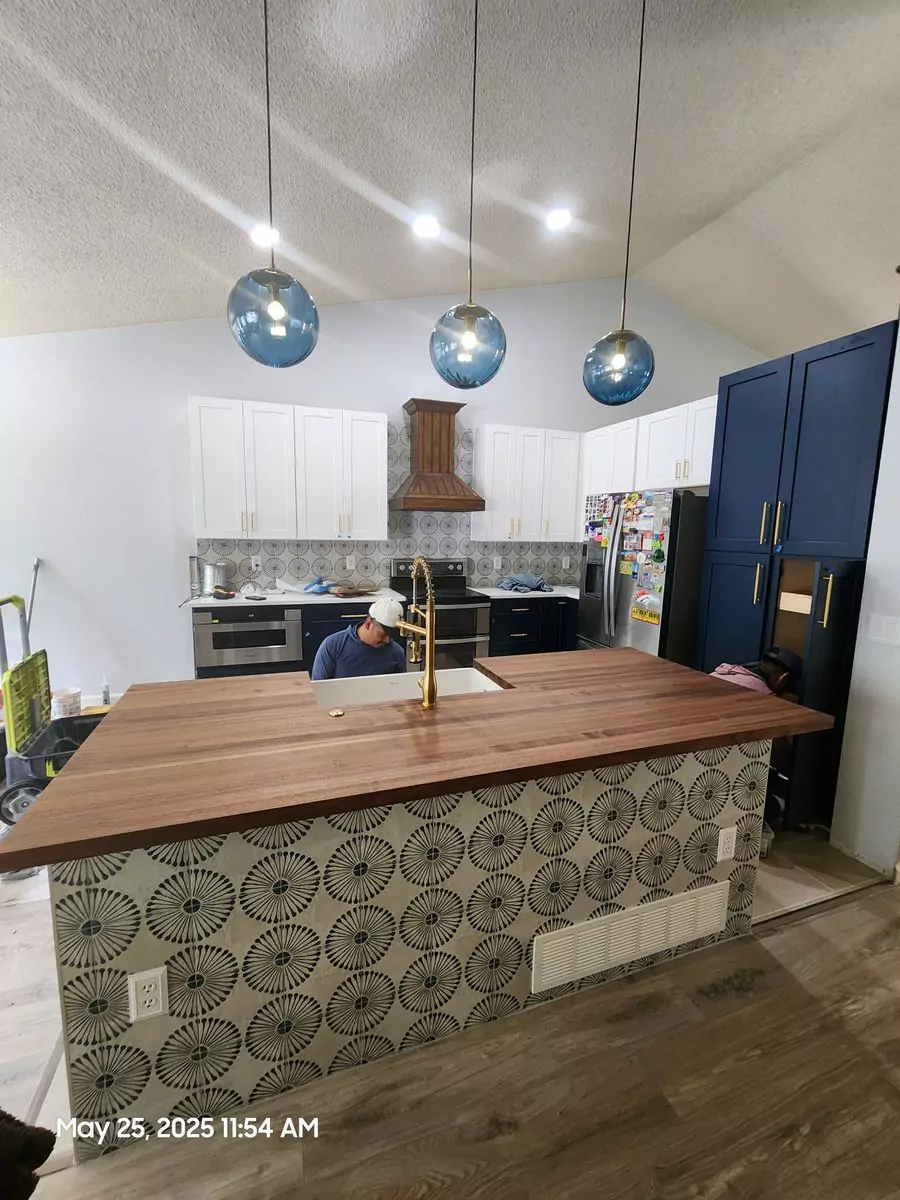
The short answer
Define the work zone, temporary routine, cleanup expectations, and communication rhythm before demolition begins.
Create a construction zone and a living zone
Before work starts, decide which entrances, hallways, bathrooms, and storage areas the crew will use. Move fragile items and anything you need regularly out of the work zone before protection goes down.
Ask how the contractor will isolate the space, protect floors, manage tools, and secure the site at the end of each day. Clear boundaries reduce dust travel and prevent the household from having to navigate an active workspace.
Plan the temporary household before day one
Write down the setup and the person responsible for each item before protection and tools fill the room.
| Household need | Kitchen remodel plan | Bathroom remodel plan |
|---|---|---|
| Water | Know sink and shutoff windows | Confirm which toilet and shower remain |
| Food | Microwave, refrigerator, dish bin, simple meals | Protect kitchen access from crew route |
| Dust | Seal pantry items and nearby textiles | Remove towels and personal products |
| Pets | Separate from doors, tools, and debris path | Keep away from open walls and adhesives |
| Work from home | Plan around demo and cutting days | Identify shutoffs and high-noise phases |
Build the temporary routine before demolition
For a kitchen remodel, set up a small station with a refrigerator, microwave, coffee maker, dish bin, and a few dependable meals. For a bathroom remodel, confirm which bathroom remains available and when water shutoffs are expected.
The temporary setup does not need to be elegant. It needs to keep daily necessities easy to reach without entering the work area.
Plan for dust, noise, and daily cleanup
Remodeling creates dust even with careful containment. Discuss barriers, floor protection, debris routes, ventilation, and cleanup expectations before the first day. Replace or protect nearby belongings that are difficult to clean.
If someone works from home, has respiratory sensitivities, or needs quiet during certain hours, share that information during scheduling. Some high-noise or high-dust tasks can be anticipated.
Make a separate plan for children and pets
Open doors, unfamiliar people, loud tools, cords, and debris can create risks. Keep pets out of the construction path and make sure the crew knows where animals may be present.
For young children, explain which areas are off limits and consider alternate care during demolition or other disruptive phases.
Use one communication rhythm
Agree on one primary contact and a dependable update schedule. A short daily or weekly summary can cover completed work, upcoming decisions, access needs, deliveries, and any changes.
The jobsite reset and the homeowner update belong on the schedule alongside the construction work. On occupied homes in Aurora and the Denver Metro area, we plan both because nobody wants to spend the evening wondering what changed or where the dust barrier went.
Agree on the daily reset
Ask what the crew will do before leaving each day: collect debris, organize tools, close barriers, sweep the access path, restore essential services when possible, and secure the work zone.
A predictable reset does not make construction disappear. It does keep the disruption from expanding into every room and every evening.
Common homeowner questions
Frequently asked questions
Bring us the room that isn't working
We'll walk the space with you, talk through the scope and priorities, and provide a free in-home estimate for your Aurora or Denver Metro project.
Request Your Free Estimate